The bonus wheel on jackpot pokies offers a different path than standard free spins promotions. Rather than a fixed reward, it introduces a variable outcome that some operators use to extend play across multiple sessions. From an operator-side finance view, that volatility matters because it shifts payout timing and player retention patterns. For anyone weighing a site like login luckyelf casino, the mechanic deserves a clear read before you commit. We look at how the wheel is structured, what it costs in terms of wagering, and why the ongoing value often matters more than the initial spin.
How the wheel mechanics actually work

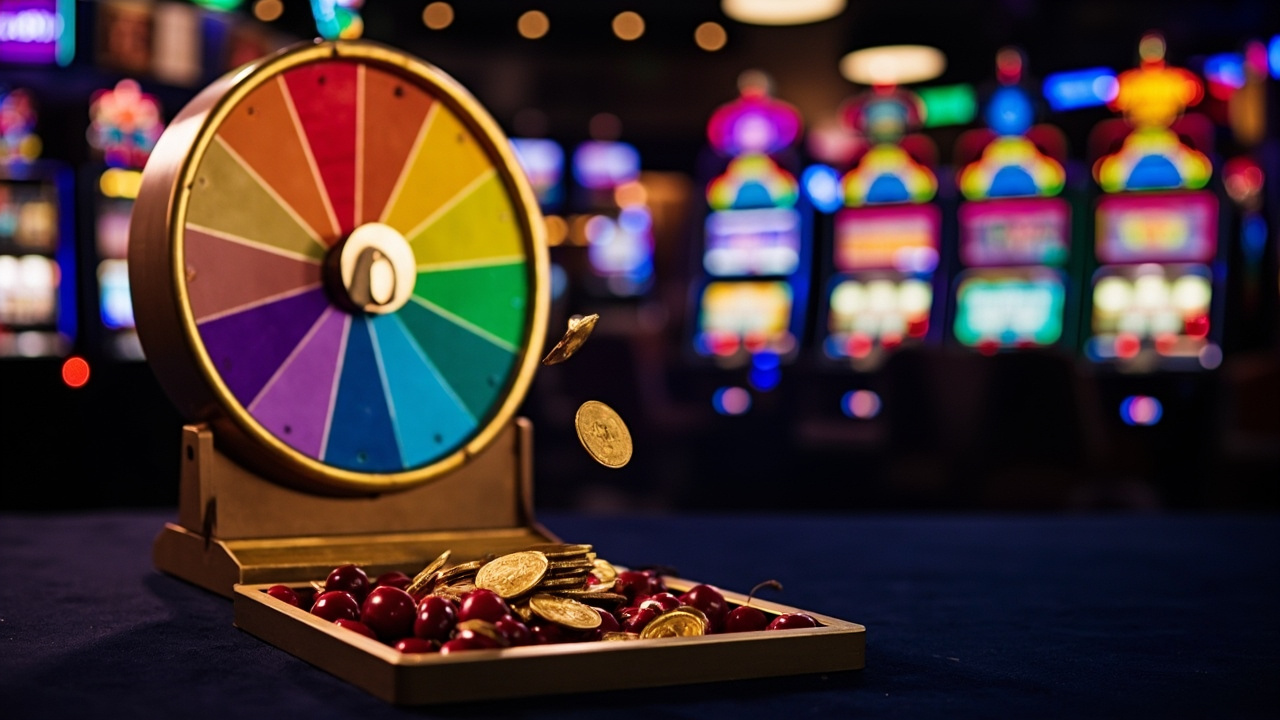
A jackpot pokies bonus wheel explained plainly is a randomised prize selector tied to a specific trigger, usually a deposit or a session milestone. The segments vary in size and value, so a player might land a small cash credit, a batch of free spins, or a multiplier that applies to the next wager. The key detail is that the wheel rarely replaces core game maths; it sits on top of it, which means the underlying return-to-player profile of the pokies still drives the long run. Operators design the wheel to create a perception of frequent small wins while keeping the aggregate liability within a set budget. That budgeting is where the finance discipline shows up, because the wheel’s expected value has to be modelled against actual redemption patterns and the cost of supporting it. When a site offers the wheel as a recurring feature rather than a one-off welcome item, the modelling gets tighter, since repeat exposure changes how quickly the liability accumulates. Players should treat the wheel as a promotional layer, not a separate game with its own edge, and check whether the segments are fixed or refreshed each week.
Wagering, limits, and what the operator is balancing
The practical side of a jackpot pokies bonus wheel explained comes down to the terms that surround it. Wagering requirements, maximum bet caps during bonus play, and game weighting all shape whether the wheel’s prize is actually usable or mostly theoretical. From a tax and accounting perspective, the operator has to track the bonus as a liability until the wagering is cleared, then recognise any remaining value as a cost of acquisition. That sequence matters because it affects cash flow timing, not just the headline offer. A wheel that pays out small credits frequently can look generous on the surface, yet the attached wagering may keep the effective value low for anyone trying to convert it into withdrawable funds. On the operator side, the same structure can smooth out promotional spend across a month instead of concentrating it in a single welcome burst. For players, the sensible check is whether the wheel’s prizes carry the same restrictions as a standard bonus or whether some segments are lighter on playthrough. The difference often decides whether the feature is worth chasing beyond the first session.
| Feature | What to check | Why it matters |
|---|---|---|
| Segment mix | Cash, spins, multipliers | Determines whether the prize is directly usable or tied to wagering |
| Wagering on prizes | Playthrough multiple and game weighting | Controls how quickly a prize becomes withdrawable |
| Max bet during bonus | Any bet cap while the wheel prize is active | Prevents rapid turnover that could void the bonus |
| Expiry window | Time limit to clear the prize | Affects whether the feature fits your play schedule |
| Recurrence | One-off or repeated weekly trigger | Changes the long-term promotional cost and player exposure |
Ongoing value beyond the first spin
A jackpot pokies bonus wheel explained as a recurring feature only makes sense if the operator keeps supporting it with genuine repeat-play reasons. That means looking past the initial trigger and checking whether the site maintains cashback, loyalty tiers, or tournament structures that give the wheel a reason to stay relevant. In my experience reviewing operator finance, the offers that hold their value are the ones where the promotional cost is spread across a loyal cohort rather than burned through on first-deposit churn. William O’Brien, Compliance Director, Yarra Gaming Lab, has noted that recurring bonus mechanics need clear disclosure around segment odds and expiry terms, because players often underestimate how much the terms shape the real outcome. That caveat matters here, since a wheel that looks lively in an arvo session can still be a narrow promotional tool if the surrounding programme is thin. For a player in Newcastle or anywhere else in Australia, the practical question is whether the site keeps offering reasons to return after the welcome window closes. If the wheel is the only recurring hook, the value tends to fade once the novelty wears off.
The wheel is one way to structure a bonus, but it is not the only measure of a site’s long-term fit. Treat it as a promotional mechanic with its own terms, and weigh it against the rest of the programme that surrounds it. If the recurring offers, loyalty path, and support are solid, the wheel can be a useful extra rather than the whole reason to stay. If those pieces are thin, the initial spin is unlikely to carry much weight after the first week.